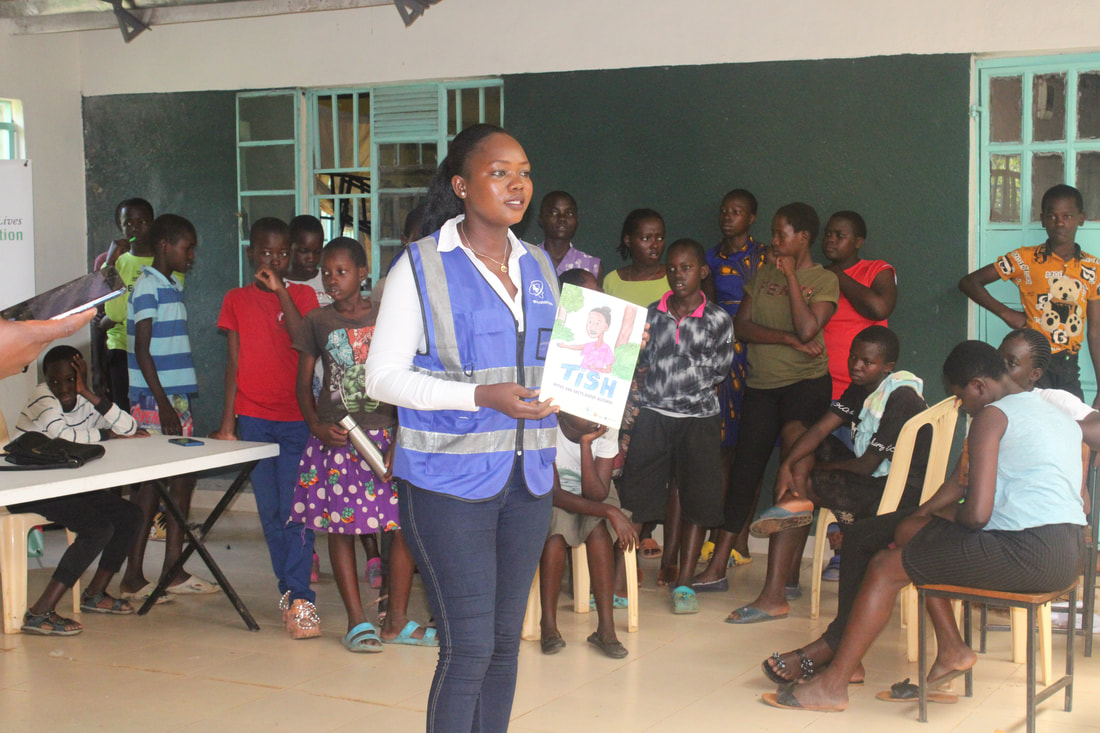
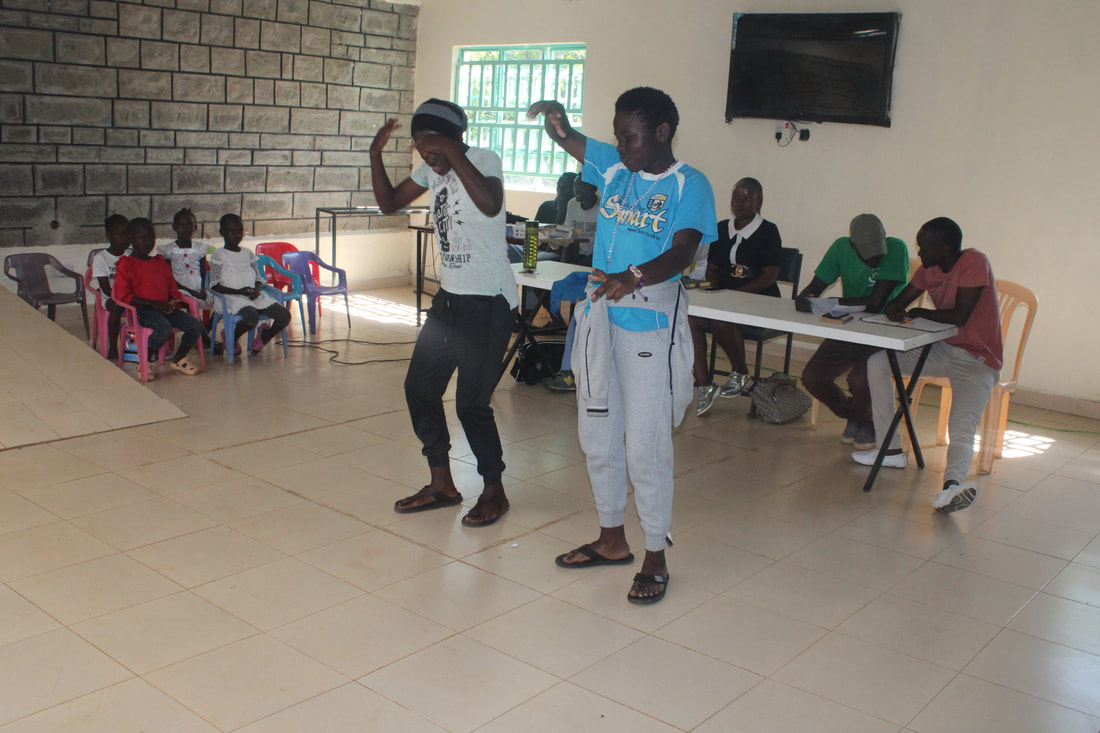
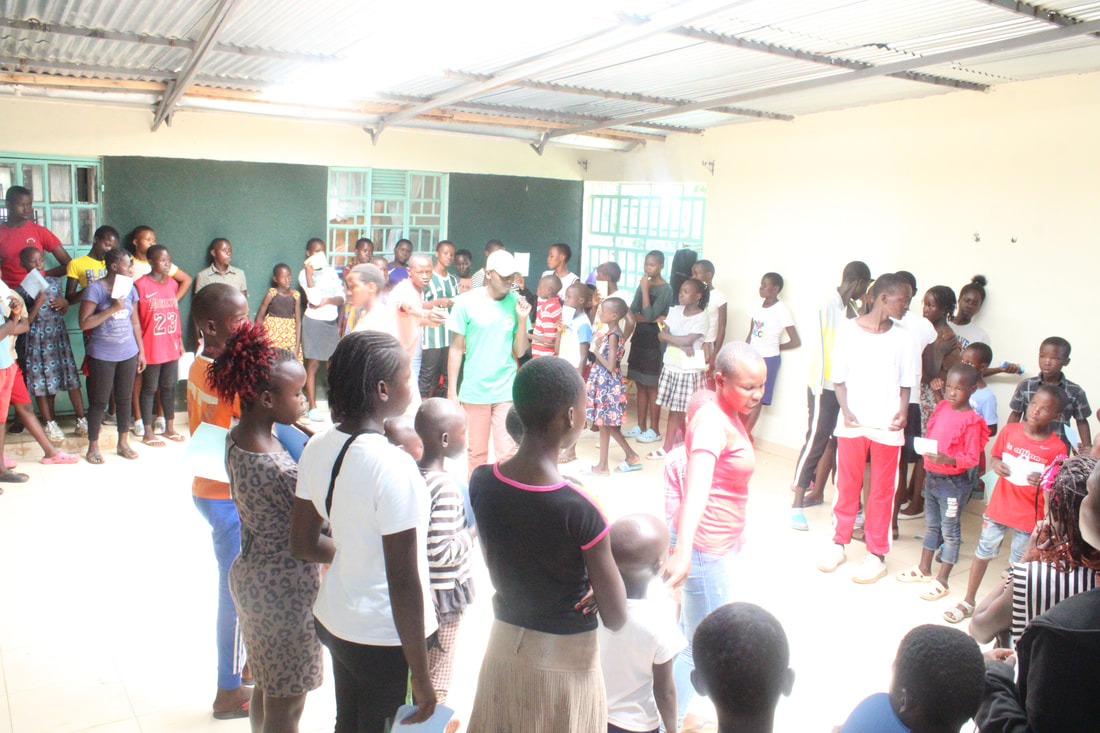
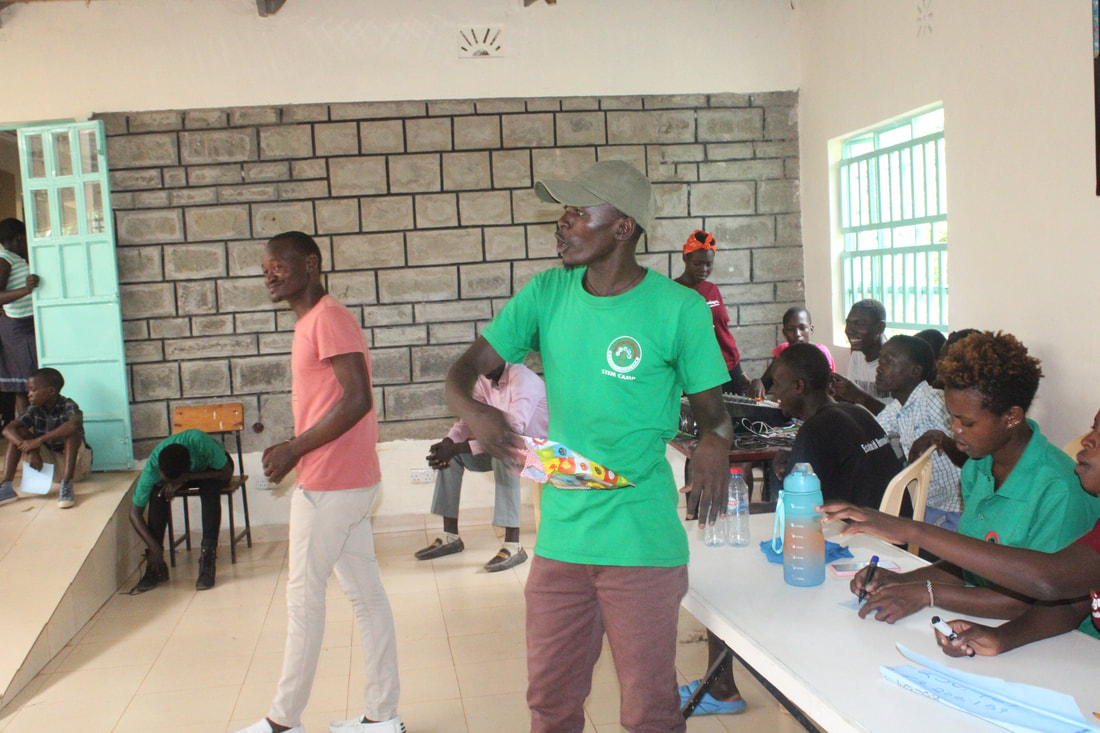
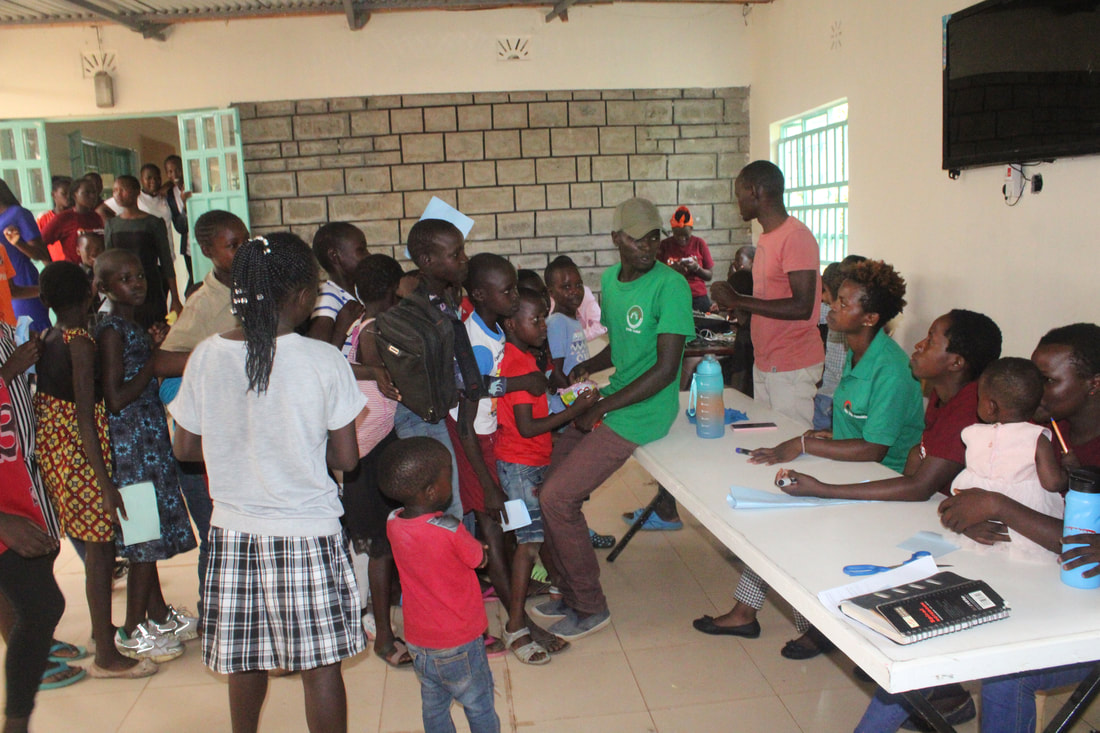
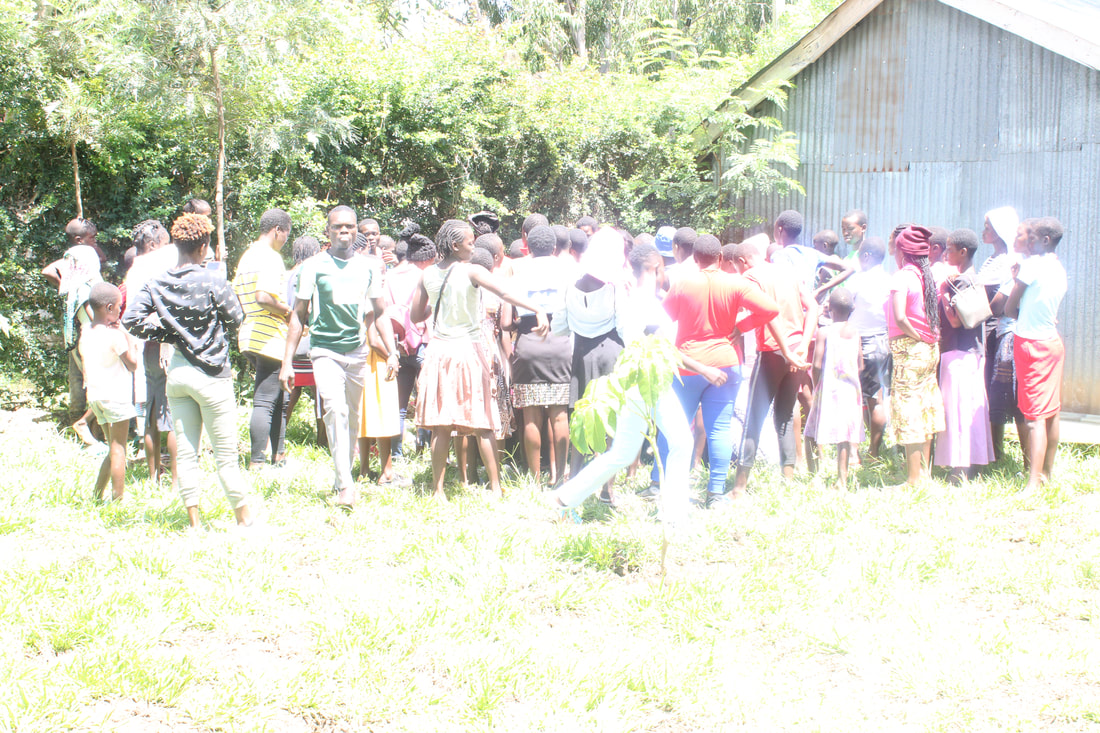
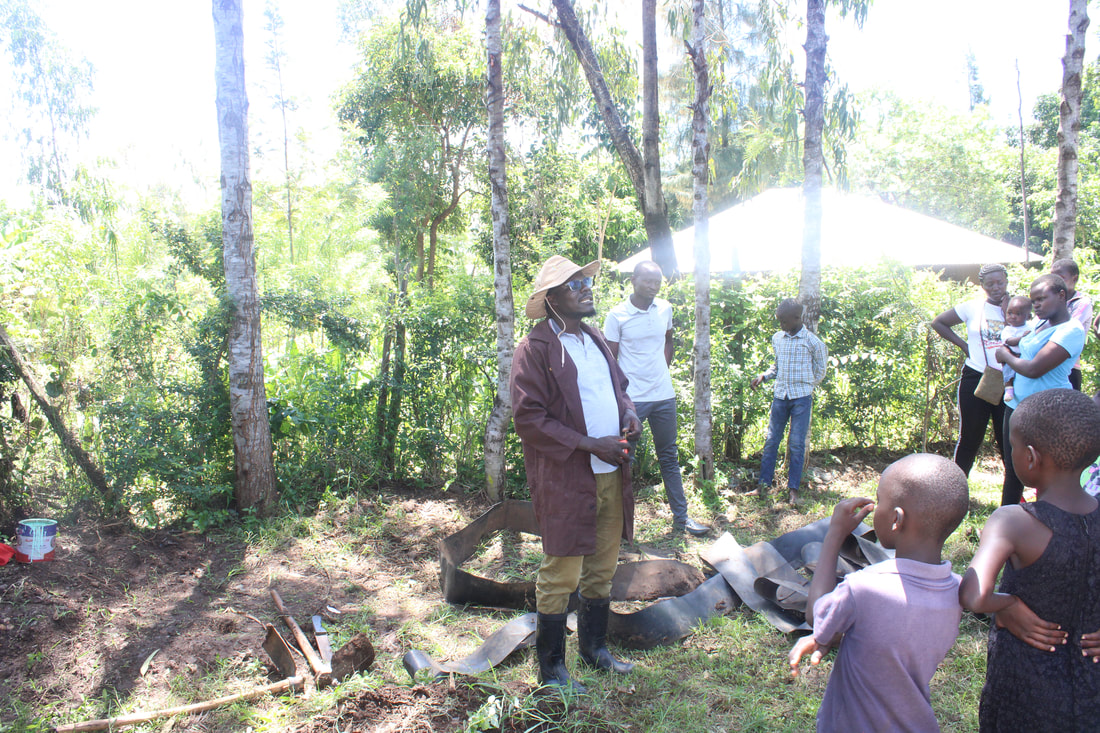
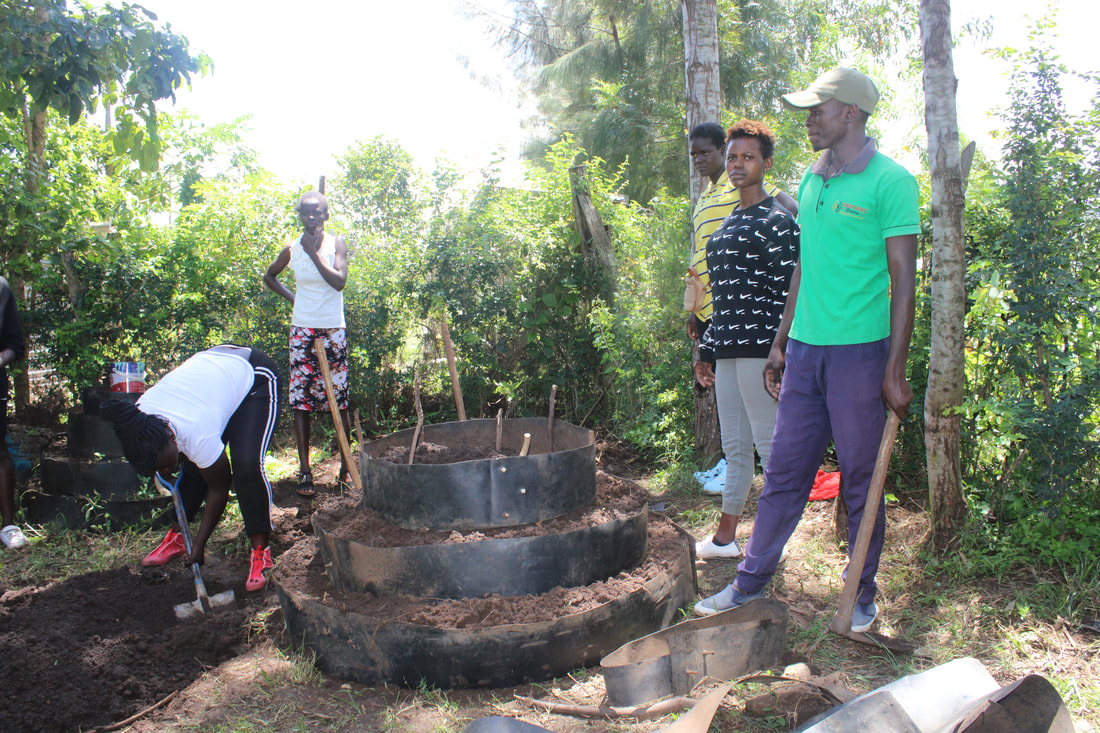
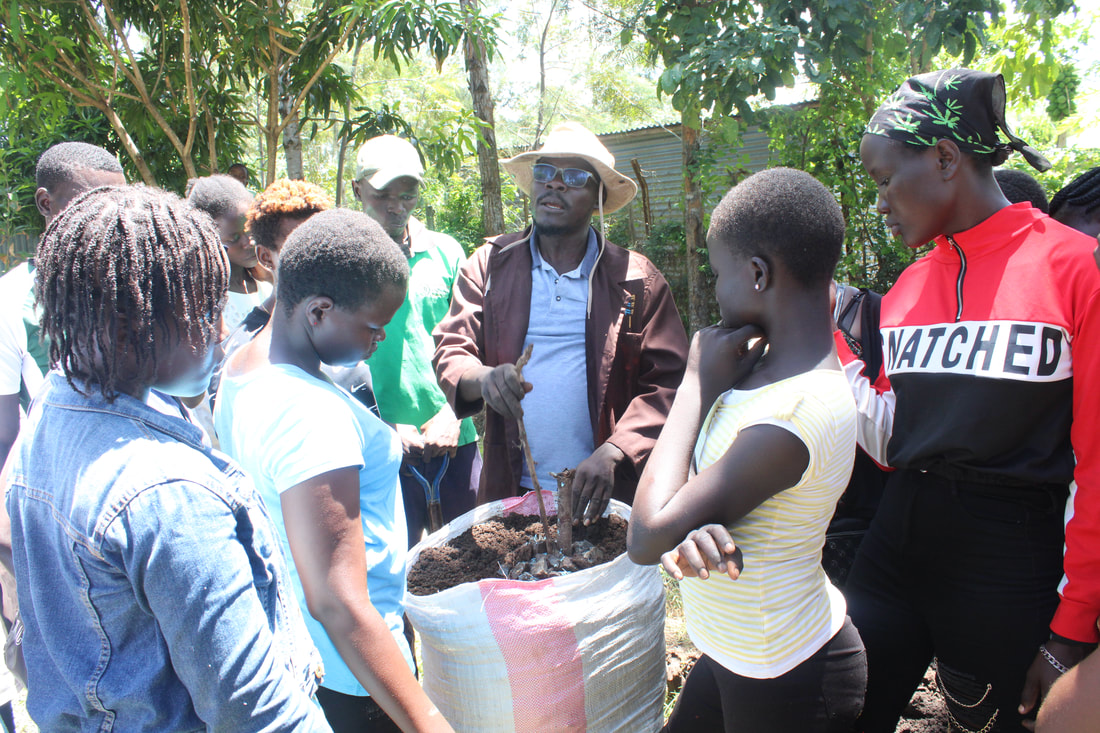
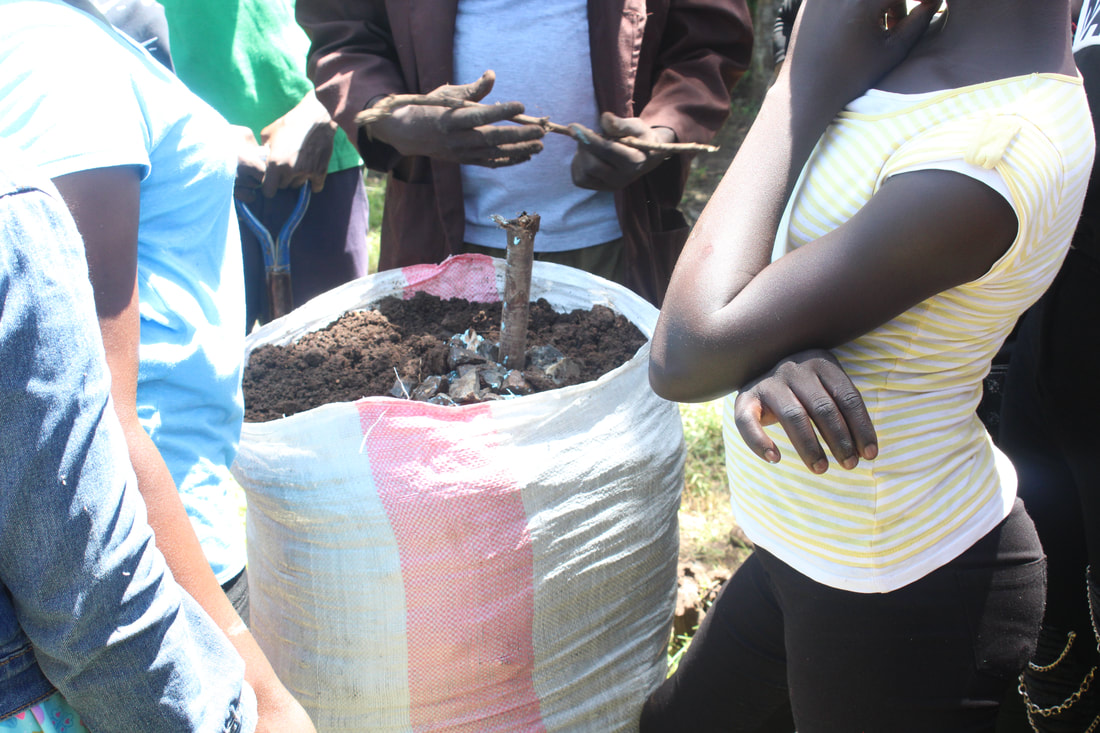
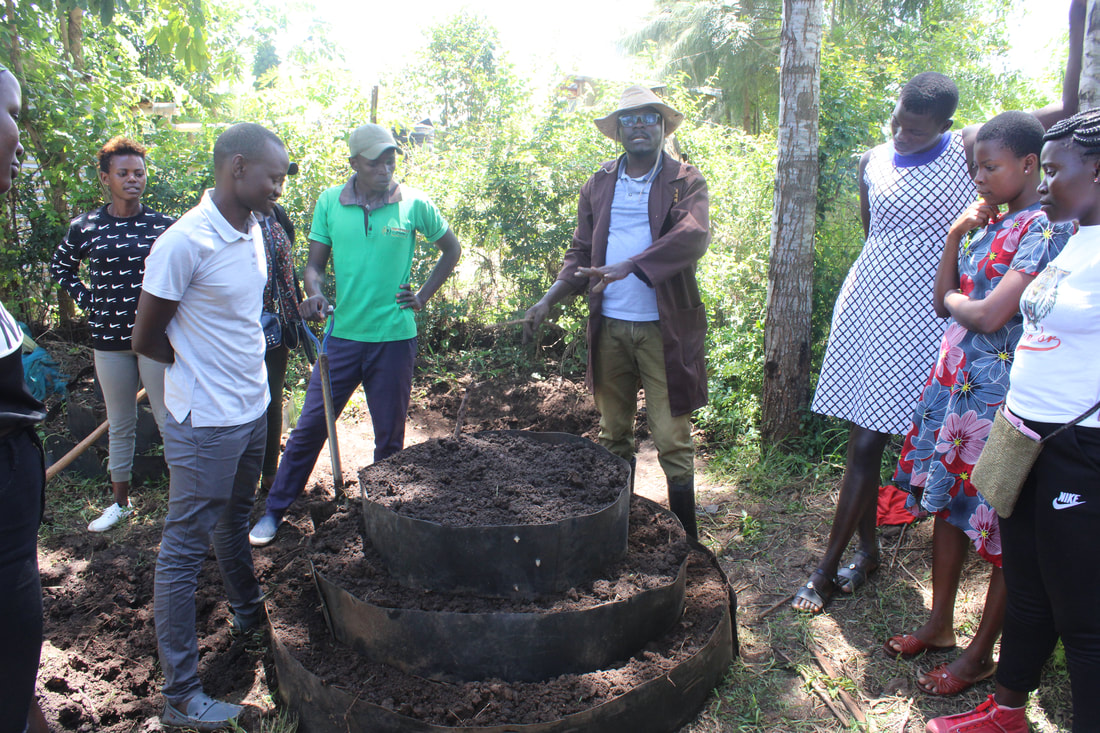
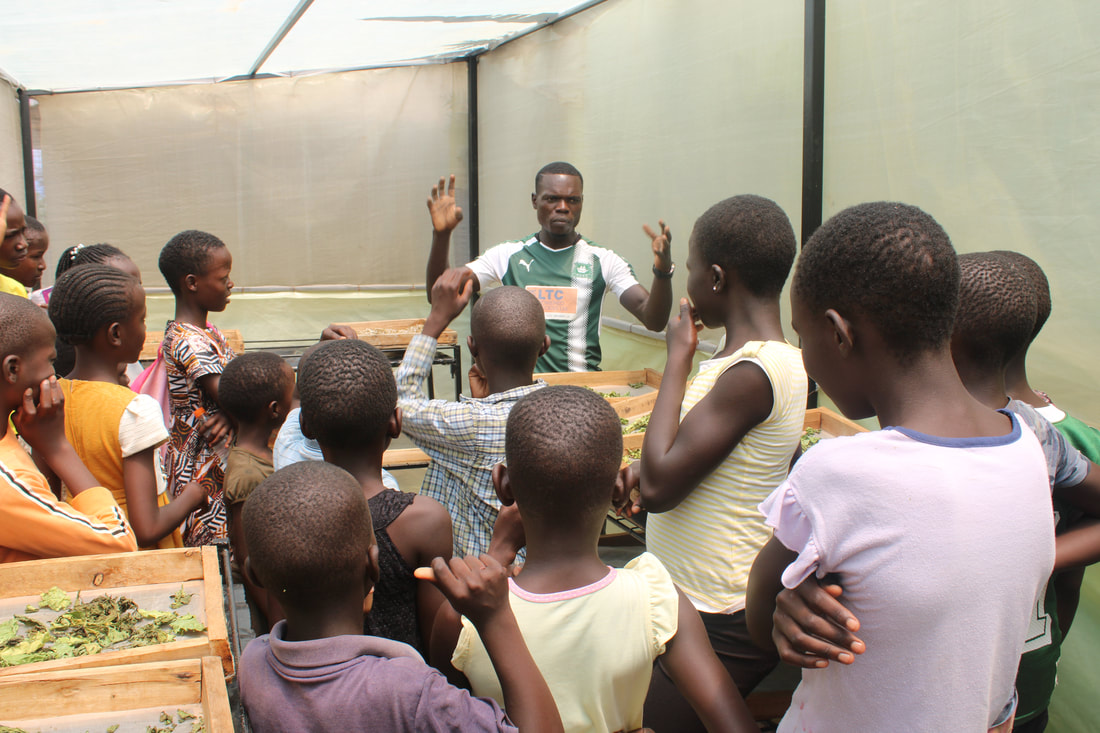
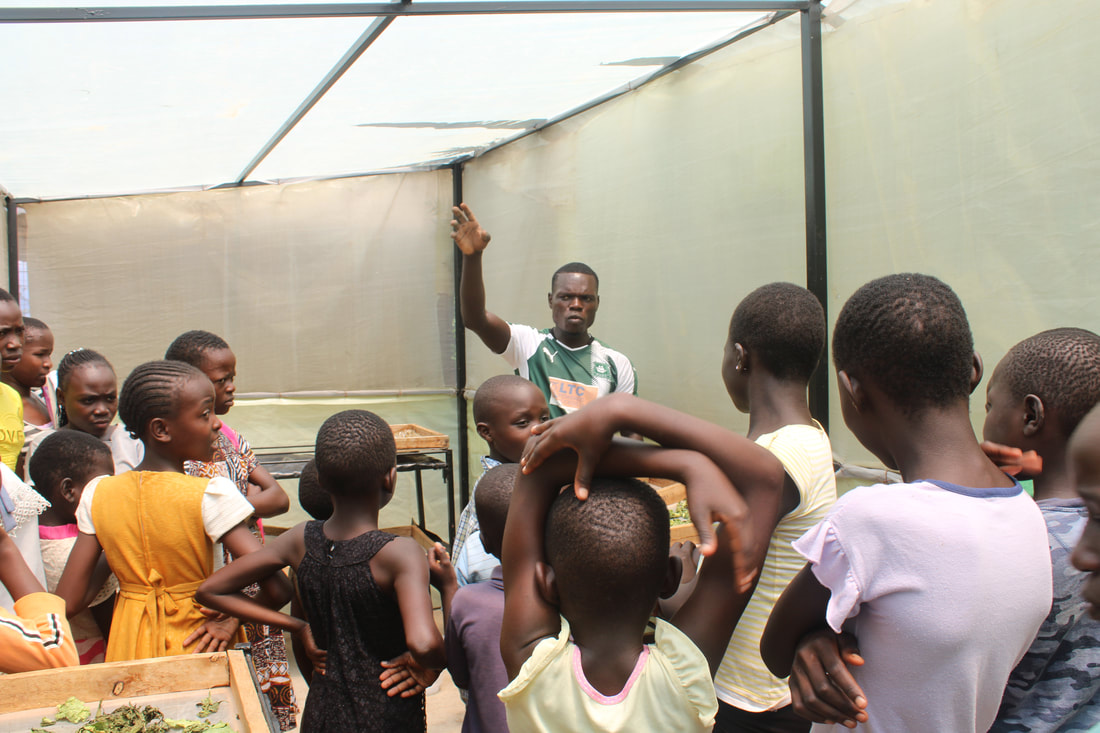
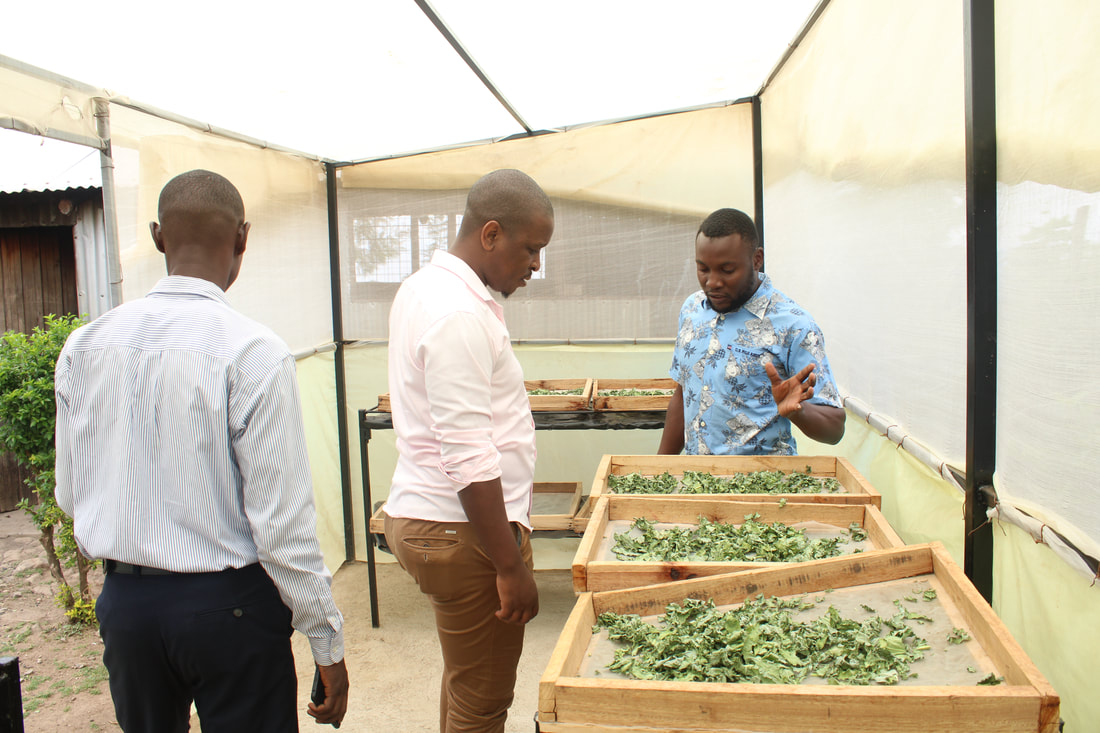
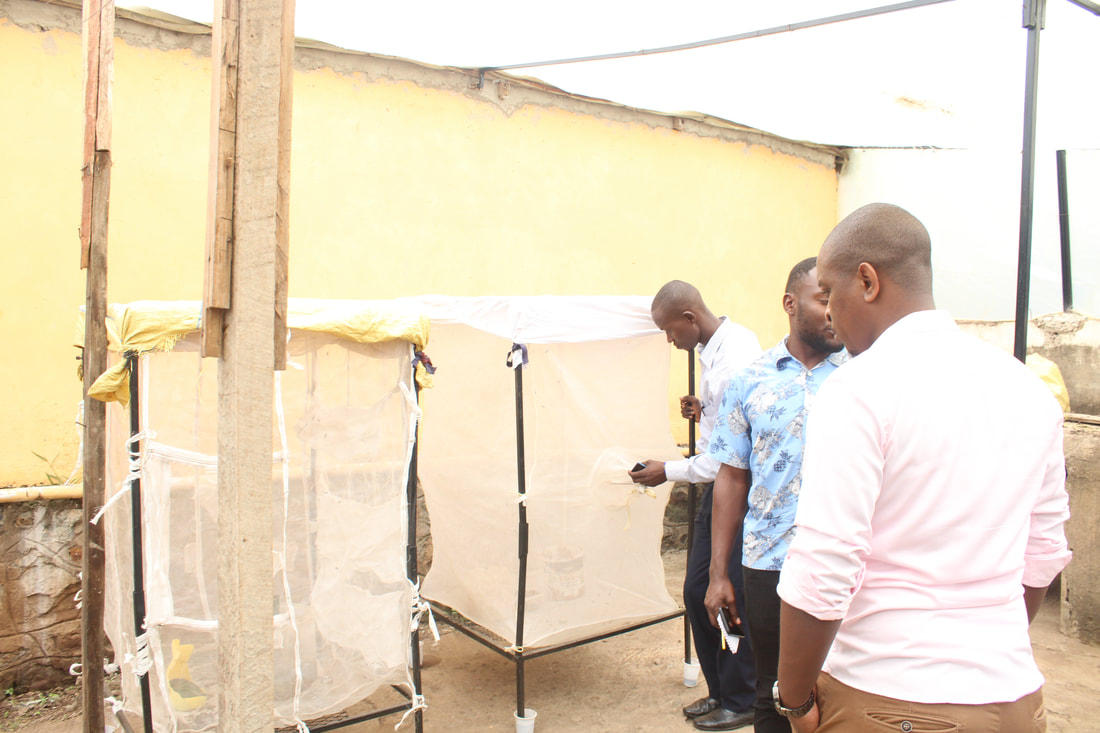
 The consequences of poor MHM practices are far-reaching. They can lead to physical discomfort, infections, and embarrassment, causing girls to miss school. In our ongoing fight to empower girls and ensure their full potential, ROF recently participated in activities surrounding Menstrual Hygiene Day, which is internationally celebrated every May 28th. We recognized the challenges faced by many girls, particularly in rural areas where most of our beneficiaries are located. These girls often lack access to resources and education on proper menstrual hygiene management (MHM) The consequences of poor MHM practices are far-reaching. They can lead to physical discomfort, infections, and embarrassment, causing girls to miss school. This absenteeism can contribute to falling behind academically and even school dropout. Furthermore, a lack of awareness about menstruation can leave girls vulnerable to misinformation and unable to manage their periods safely. This can increase the risk of teenage pregnancy and even HIV/AIDS reinfection if girls are unable to negotiate safe sex practices due to menstrual shame. ROF's approach centers on mentorship and open dialogue. We partner with other organizations to deliver educational programs and mentorship sessions for both girls and boys. By fostering a supportive environment and educating youth about MHM, sexual health, and gender equality, we aim to break the silence surrounding menstruation. This empowers young people to make informed choices and creates a more inclusive school environment, ultimately contributing to a reduction in school dropout rates, teenage pregnancy, and HIV/AIDS reinfections. This year's theme for Menstrual Hygiene Day was #PERIODFRIENDLYWORLD. We aimed to raise awareness about the stigma and taboos surrounding menstruation. We strive to achieve a world where everyone can access the menstrual products, education, and facilities they need.  In the lead-up to Menstrual Hygiene Day, we partnered with other CSOs in Kisumu and reached over 100 adolescent girls with comprehensive MHM education through Nyalenda period festival. Additionally, on May 28th, we collaborated with Hope Rekindled Initiative and SPUR Afrika to conduct mentorship sessions at Sabembe Secondary School. Here, we engaged 272 students, including boys, in sessions focused on MHM, teen pregnancy prevention, and open dialogue. In both activities, students learned about: health and menstruation-Students learned about the biological process behind menstruation, empowering them to manage their periods with confidence. They gained knowledge about hormonal changes, physical symptoms, and what to expect during their cycles. Potential risks of poor menstrual hygiene management, The sessions addressed the dangers of improper hygiene practices, such as UTIs, vaginal infections, and RTIs. This knowledge encouraged the students to prioritize good hygiene and seek help if needed. Health risks associated with sanitary products and materials used for menstruation How to stay healthy during their menstrual period;We emphasized the importance of maintaining good health during periods. This included maintaining a balanced diet, staying hydrated, getting enough sleep, and managing pain safely. Period stigma; We tackled the negative attitudes and social stigma surrounding menstruation. By addressing myths and misconceptions, we encourage open communication and foster a supportive environment for both girls and boys. One of the most impactful aspects of the day was witnessing the students' willingness to engage in open dialogue and demos. By creating a safe space for discussion, we allowed students to share their thoughts, ask questions, and learn from one another. This open communication is crucial in breaking down the stigma and creating a supportive community where everyone feels valued and understood. At the end, students were provided with menstrual products. We also issued a call to action for all stakeholders to participate in ending period stigma, period poverty, and period shame. By including boys in the conversation, we aim to foster gender equity and create a more supportive environment. Our goal is to break the silence surrounding menstruation and empower young minds through education. With a blend of entertainment, open dialogue, and mentorship, we can work together to create a world where every individual has access to safe, dignified, and #PeriodPositive menstrual hygiene management. Mentorship programs address the interconnected issues of HIV/AIDS, teenage pregnancy, and gender-based violence, all of which are exacerbated by period poverty. With a blend of entertainment, open dialogue, and mentorship, we can work together to create a world where everyone has access to safe, dignified, and #PeriodPositive menstrual hygiene management. This will empower girls to reach their full potential and ensure a brighter future for all 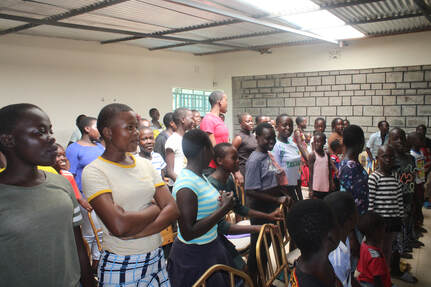 We're thrilled to share the success of our recent 3-day STEM camp, held from April 18th to 20th! At Akili STEMarts academy, ROFs premises. This exciting event brought together over 110 enthusiastic participants from various primary and secondary schools, fostering a love for science, technology, engineering, and math (STEM) in the next generation. The importance of this camp extends far beyond technical skills. In partnership with local organization Bluecross Organisation they work to eradicate and reduce alcohol and drug use among youths, we kicked things off with a crucial topic: drug and substance abuse awareness. Our amazing mentors delivered interactive sessions, educating students on the dangers of these substances and empowering them with the knowledge and strategies to make responsible choices. Equipping young minds with this information is vital for building a healthier future for our communities. But the camp wasn't just about awareness! Students also embarked on a thrilling exploration of the vast world of STEM. Inspiring professionals from diverse fields like medicine, electrical engineering, and even alternative STEM areas shared their knowledge and opened doors to exciting career possibilities. This exposure can ignite a lifelong passion for STEM and pave the way for future innovators. For our younger campers, the fun came with a side of valuable skills! We introduced them to the captivating world of programming with Botely and Vex robotics. Imagine this: mastering the fundamentals of coding while navigating their robotic companions through engaging games! This playful approach sparked curiosity and ignited a passion for STEM right from a young age. The camp wasn't confined to the digital realm. Students got their hands dirty (in the best way possible!), learning about climate-smart agriculture and its role in food security. Through hands-on activities like sack gardening, vertical gardening techniques, and modern kitchen gardening methods, they gained a practical understanding of how science contributes to growing our own food. This knowledge, coupled with the promotion of sundrying fruits and vegetables, empowers future generations to be part of the solution for food security and healthier eating habits. Our ultimate goal? To ignite a passion for STEM, equip future innovators with the necessary skills, and cultivate a sense of social responsibility in these young minds. We're committed to fostering a love for learning and empowering the next generation to make a positive impact on the world.
 Our 3rd quarter newsletter is out! We are excited to share with you all that we have accomplished over the past few months (July, August & September). Click the link to learn more
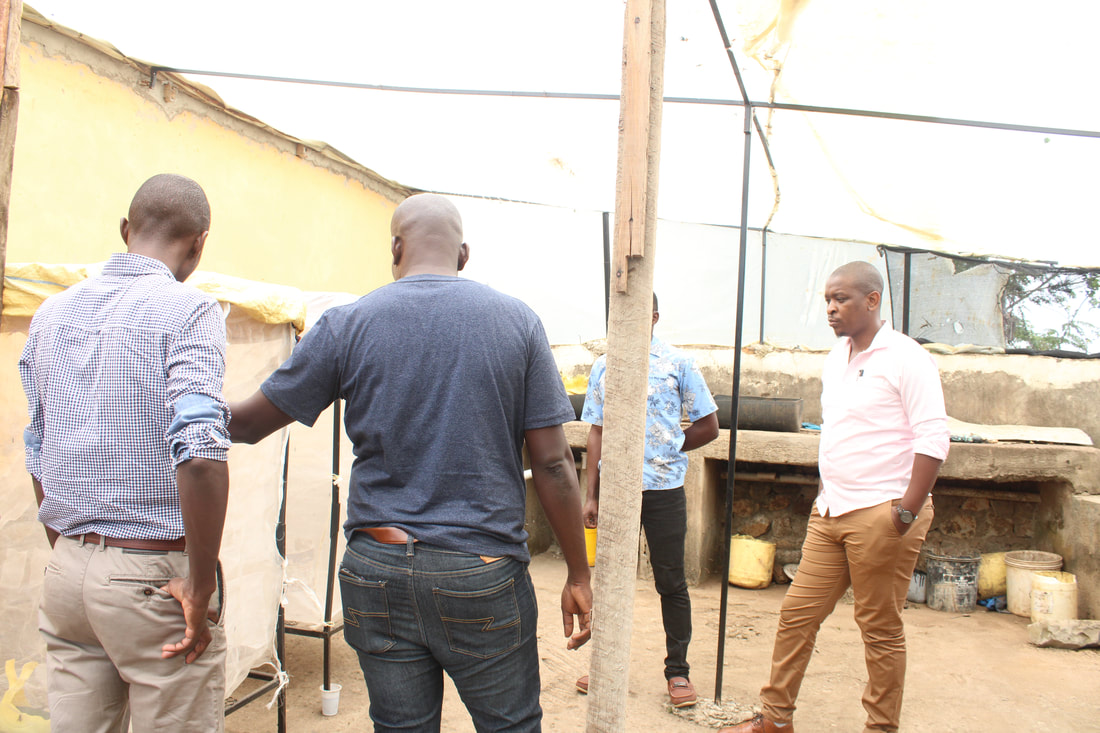
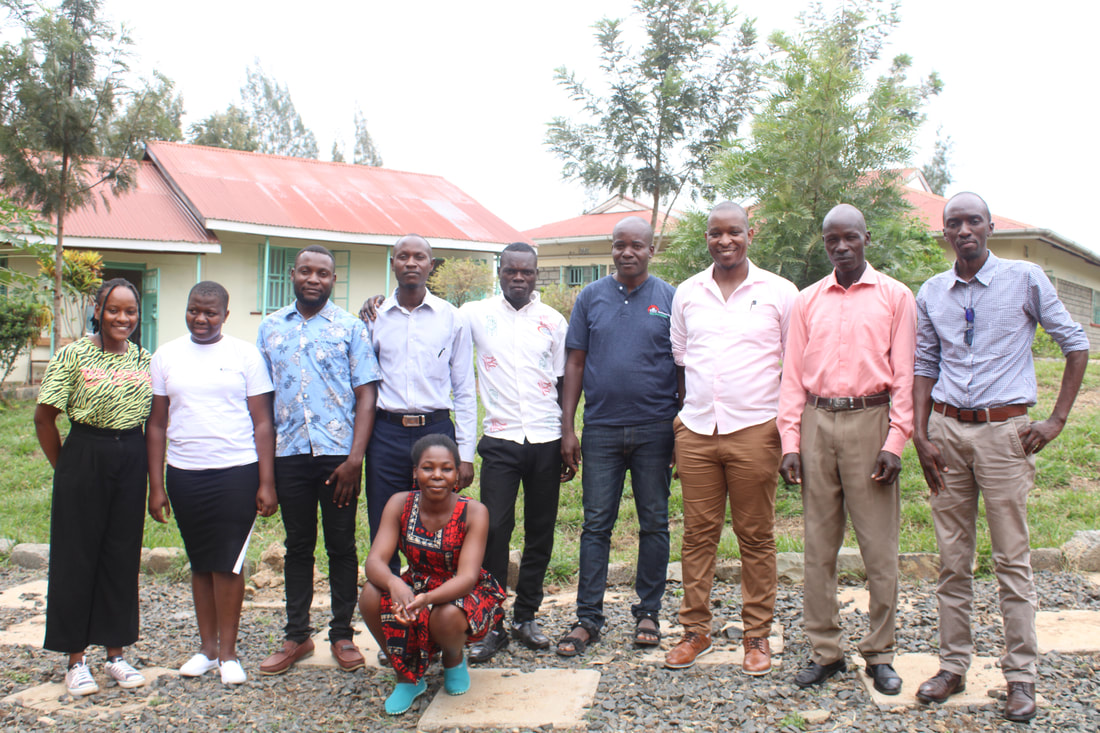
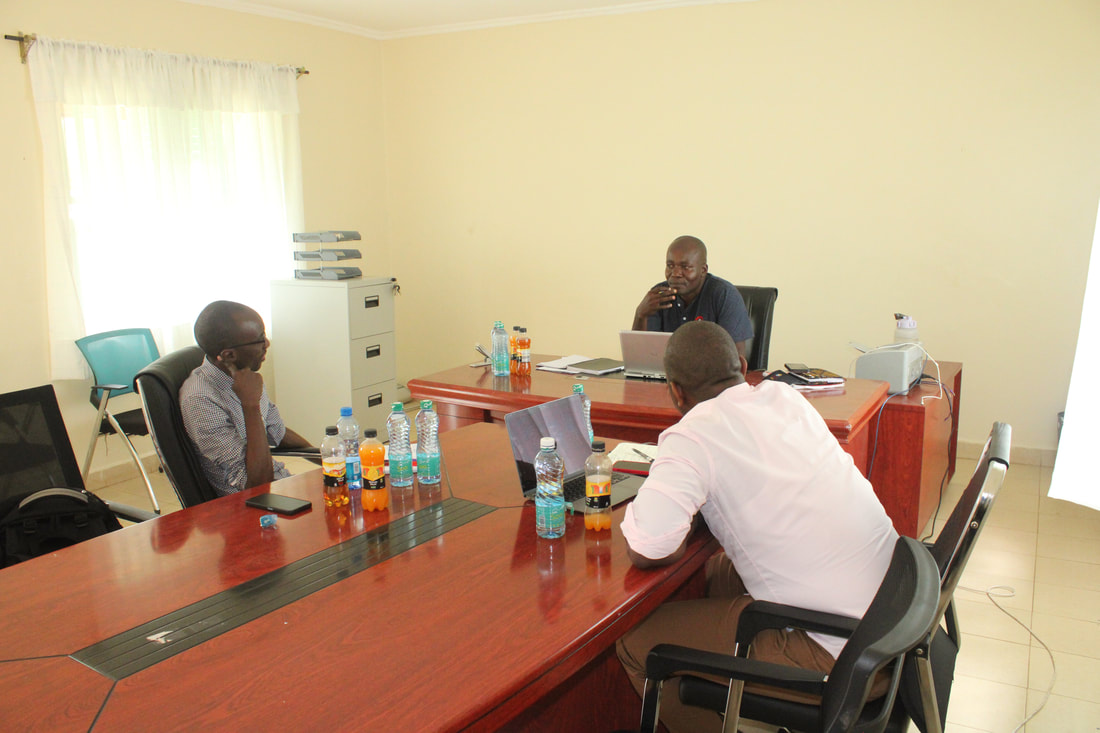
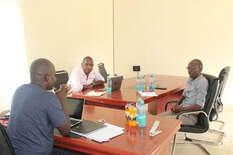 Our organization had the pleasure of hosting the Segal Family Foundation team at our location in Kisumu in August. This visit was an exciting opportunity for us to showcase the impactful projects that we have collaborated on and discuss strategies for the future. The Segal Family Foundation has been a crucial partner in our journey to provide holistic education and livelihood opportunities in our community. Their continuous support and belief in the power of local leadership has been instrumental in our efforts to create sustainable change. During their visit, we were able to highlight the tangible outcomes of our partnership. Together, we have been able to empower communities and make a lasting impact on the lives of those we serve. From improved access to education to job creation and economic empowerment, our collaborative projects have brought about positive changes for individuals and families in our community. We are incredibly grateful for the Segal Family Foundation's support and for their recognition of the importance of localization. Their belief in the power of grassroots leadership has helped us to enact meaningful change on a local level. As we look to the future, we are excited to continue our partnership with the Segal Family Foundation and to work together towards creating even greater impact. Through our joint efforts, we are confident that we can continue to empower communities and create lasting change. Throwback to this memorable visit and the meaningful discussions we had. We are grateful for the Segal Family Foundation's support and look forward to the future impact we will create together. by Monica Adhiambo 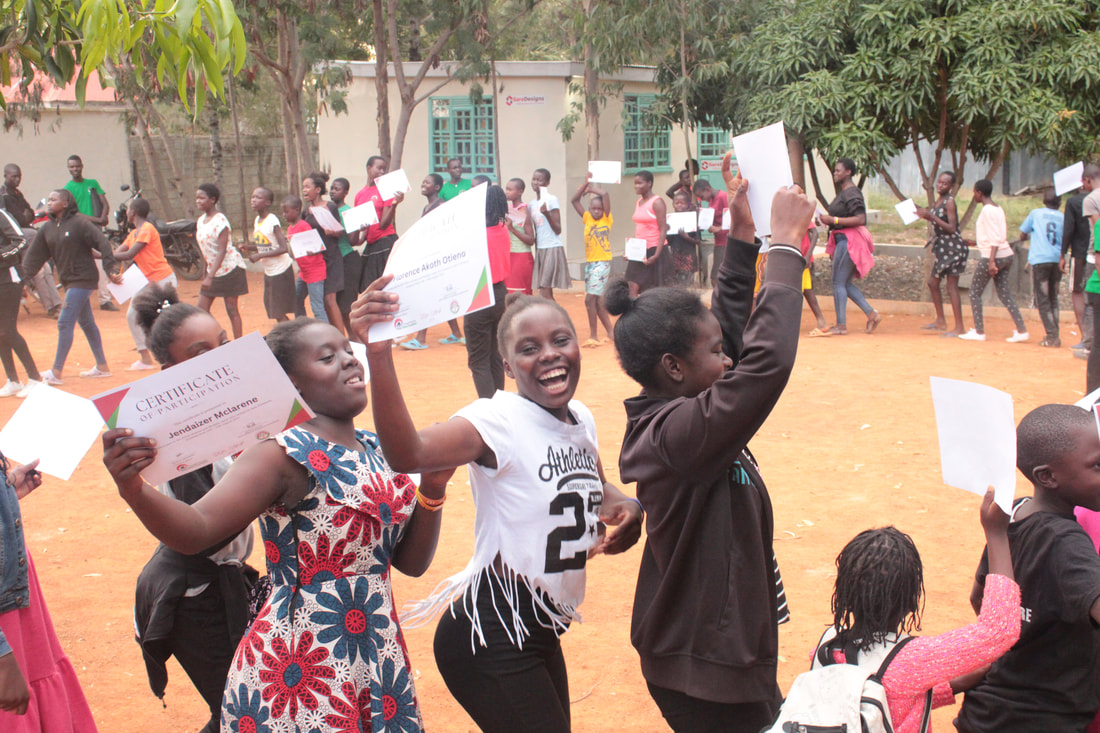 The Riley Orton Foundation (ROF)held a three-week Revision and Life Skills camp STEM camp at Akili STEMarts Academy during the August school break, from 7th August to 24th August. The camp brought together 150 students from over 20 high schools and primary schools across Kenya, as well as 15 volunteers and ROF staff. The camp was a huge success, as it provided both students and educators with a unique learning experience that was both fun and educational. |



 |  |
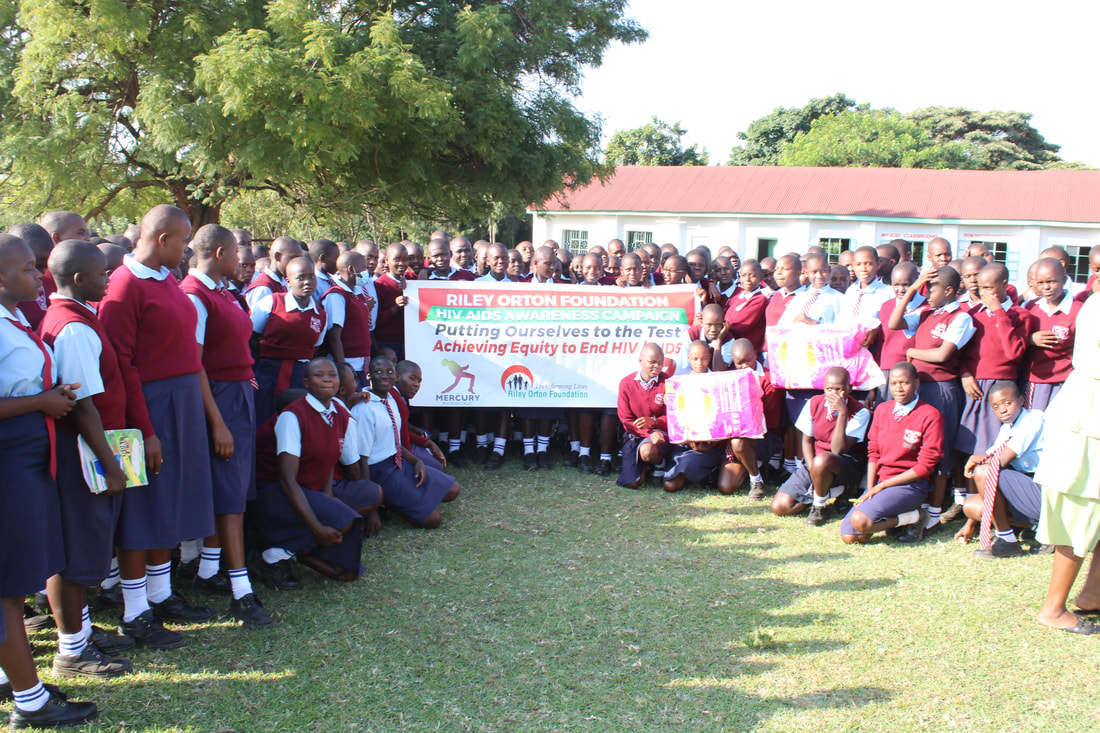
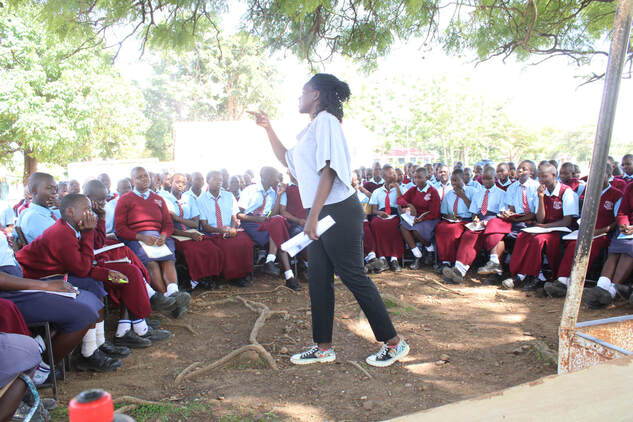
AT ST PETERS WAGAI MIXED SECONDARY SCHOOL
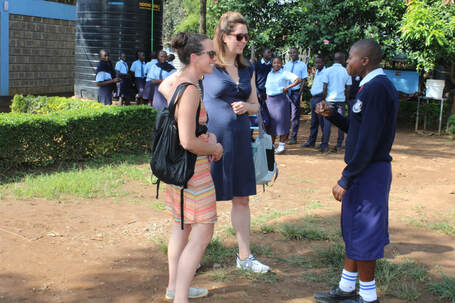
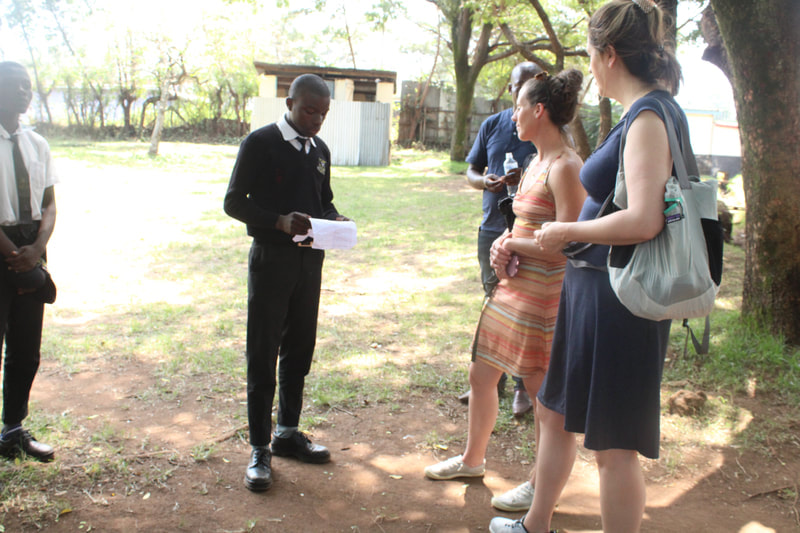
We are excited to share the visit of co-founders Megan and Jessica from Tailored For Education org to our premises in Kisumu. Tailored For Education is an organization that provides school uniforms to students in need, and we are proud to partner with them in our mission to ensure that every student has the resources they need to succeed.
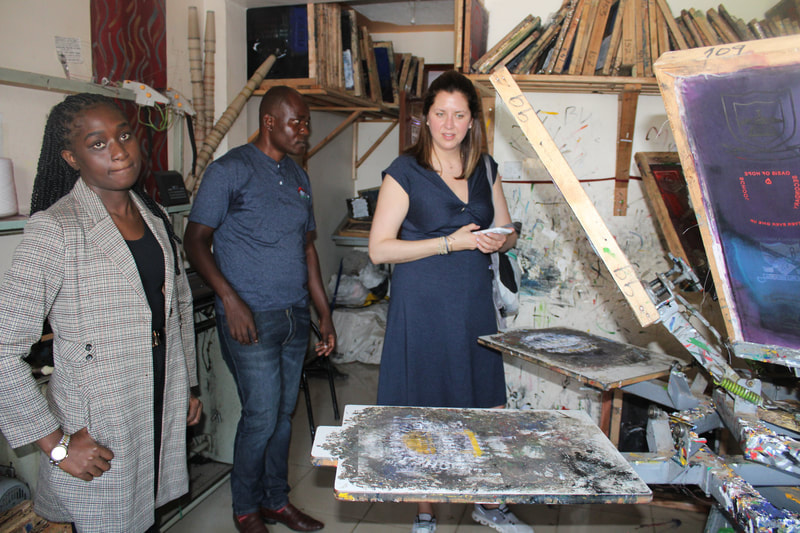
During their visit, Megan and Jessica had the opportunity to meet our talented local tailors at the Regional Uniform Center. These tailors work tirelessly to create school uniforms for students from our partner schools. The visit allowed them to witness these tailors' hard work and dedication and to understand their organization's impact firsthand.
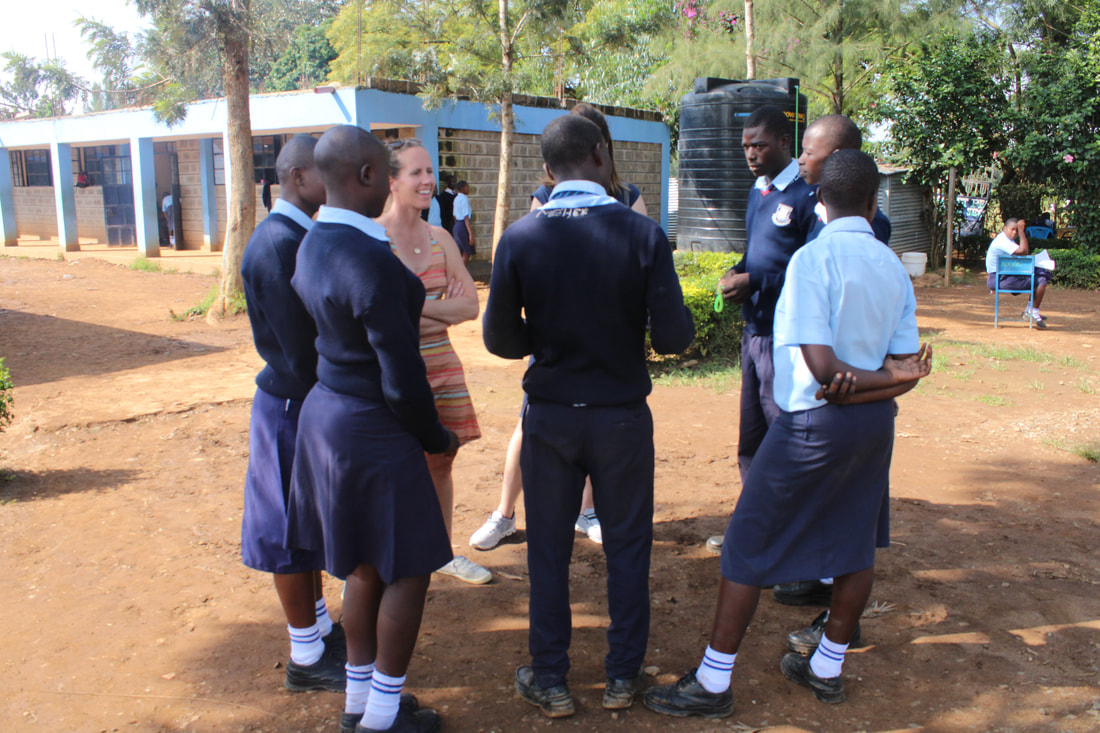
Additionally, Megan and Jessica visited five schools in the region: Sidindi, Obambo, Simenya, and Wagai secondary schools. At these schools, they met and interacted with students who have directly benefited from our school uniform distribution program. It was inspiring to hear the student's stories of how having a uniform has helped them to feel more confident and focused in their studies.
We would like to express our deep gratitude to Tailored For Education for their continued partnership and support. Their dedication to ensuring that students in need have the uniforms they require is commendable. Without their assistance, many students would face unnecessary barriers to their education.
We would also like to thank everyone who has contributed to making this partnership possible. Whether through donations, volunteering, or spreading awareness, your support has directly impacted the lives of students in our community.
Together with Tailored For Education, we are committed to removing barriers and promoting local action for education for all. By working together, we can ensure that every student has access to the tools they need to succeed in their educational journey.
During their visit, Megan and Jessica had the opportunity to meet our talented local tailors at the Regional Uniform Center. These tailors work tirelessly to create school uniforms for students from our partner schools. The visit allowed them to witness these tailors' hard work and dedication and to understand their organization's impact firsthand.
Additionally, Megan and Jessica visited five schools in the region: Sidindi, Obambo, Simenya, and Wagai secondary schools. At these schools, they met and interacted with students who have directly benefited from our school uniform distribution program. It was inspiring to hear the student's stories of how having a uniform has helped them to feel more confident and focused in their studies.
We would like to express our deep gratitude to Tailored For Education for their continued partnership and support. Their dedication to ensuring that students in need have the uniforms they require is commendable. Without their assistance, many students would face unnecessary barriers to their education.
We would also like to thank everyone who has contributed to making this partnership possible. Whether through donations, volunteering, or spreading awareness, your support has directly impacted the lives of students in our community.
Together with Tailored For Education, we are committed to removing barriers and promoting local action for education for all. By working together, we can ensure that every student has access to the tools they need to succeed in their educational journey.
 |  |
Access to education is a global challenge, in rural areas, it is even more challenging due to a lack of infrastructure and resources. Often, students have to travel long distances to reach school, which is not only time-consuming but also physically demanding. For young girls, this often leads to transactional sex, making them vulnerable to sexually transmitted infections and unwanted pregnancies. In addition, students often arrive late to school, missing the beginning of lessons and falling behind. These challenges not only affect their academic performance but also their overall well-being.
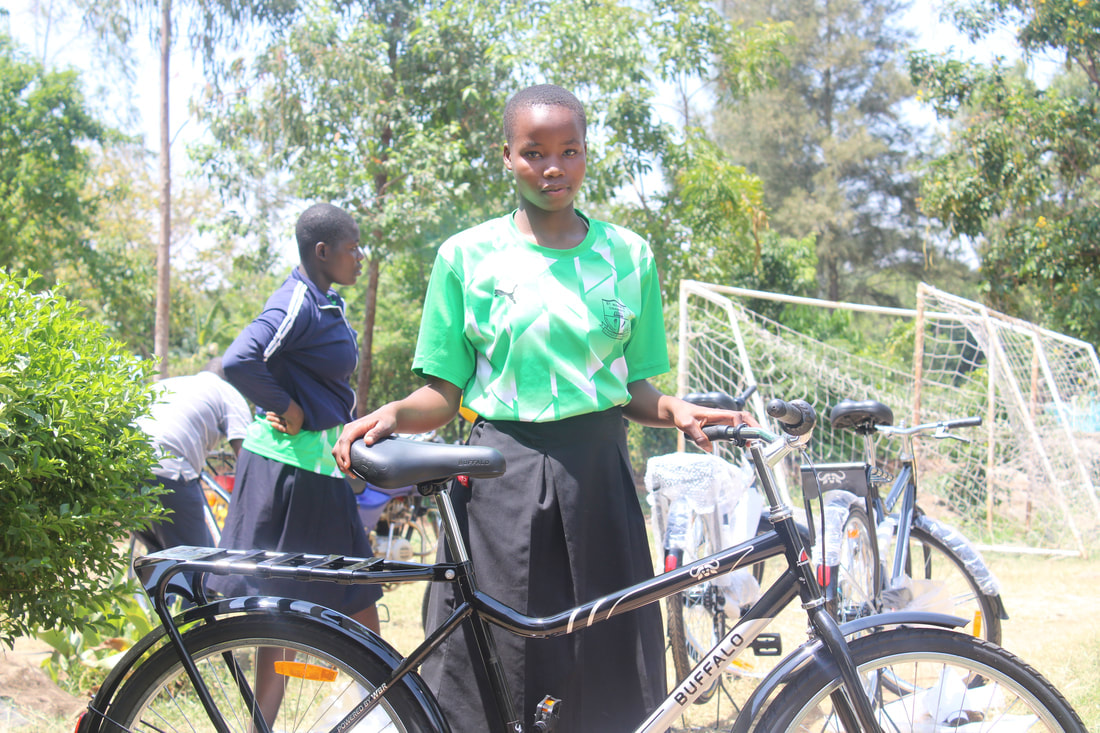
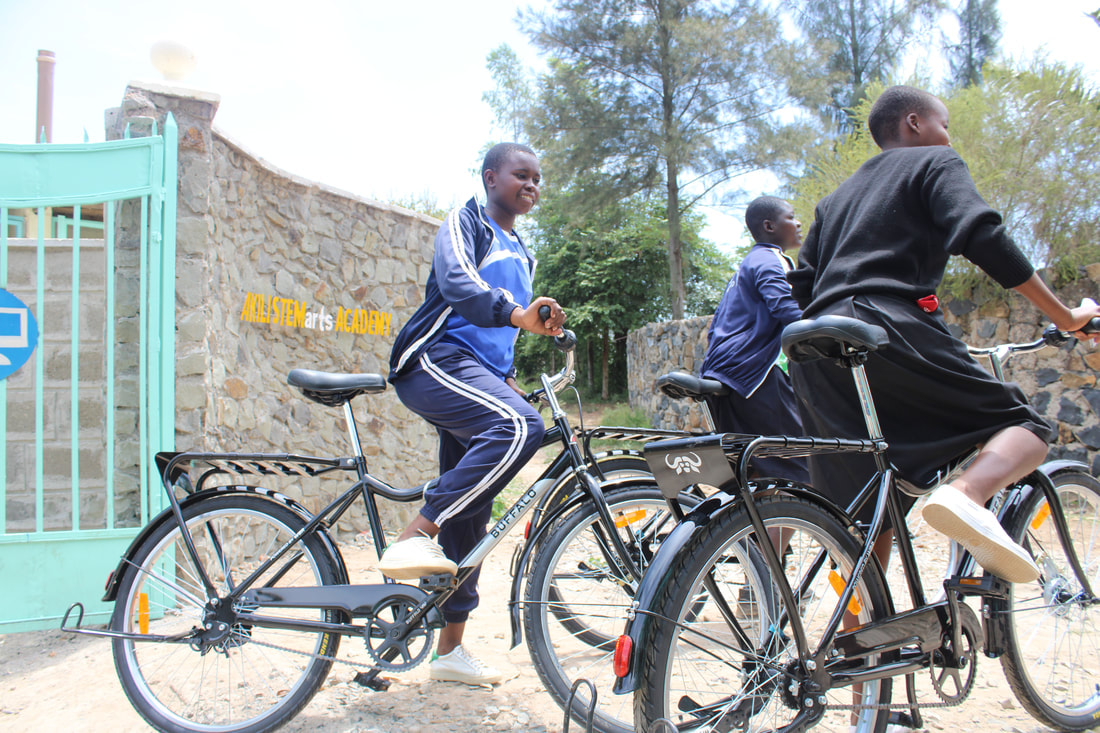
One solution to this challenge is through the provision of bicycles to students, particularly girls. Last year, in partnership with The One Bicycle Foundation, we were able to donate 40 bicycles to students in rural areas who travel long distances to school. Providing this means of transportation to students in this area has had a significant impact on their daily lives. These bicycles not only make it possible for students to get to school on time, but they also reduce the risk of girls being exposed to sexual exploitation, especially when they have to walk long distances alone.
The impact of the bicycle donation is evident; here is one of the impact stories from our beneficiaries. Sixteen-year-old Syprose is a high-achieving student with a passion for Physics. With home quite far from school, she would not be able to manage her chores and arrive at school on time each day without her bicycle. This is what Syprose had to say regarding the impact of the bicycle on her academic performance,’’ last year the organization gave me a bicycle to cycle to school and it has really reduced my commute time helping me to arrive at school on time. Since I come from a remote area, getting to school on time was a problem, and my parents were unable to provide for my daily transport cost. I found it difficult to catch up with the dawn lessons hence it became very challenging to cope up with the already covered syllabus and this led to a drop in my academic performance from an A- to B-. After receiving the bicycle I am now at position 7 out of 253 students with a mean grade of B+[68 points]. My performance has improved since I am able to catch up with the dawn lessons I used to miss before.” These bicycles will make a real difference in students' lives, allowing them to access education and improve their opportunities.
The provision of bicycles to aid students in their daily commute to school is one of the many practical solutions that can be implemented to ensure that all children, especially girls in rural areas, have access to education. It is not a perfect solution, but it is a step in the right direction. Thanks to One Bicycle Foundation 40 students have access to education, which is vital for their personal development, growth, and future success.
One solution to this challenge is through the provision of bicycles to students, particularly girls. Last year, in partnership with The One Bicycle Foundation, we were able to donate 40 bicycles to students in rural areas who travel long distances to school. Providing this means of transportation to students in this area has had a significant impact on their daily lives. These bicycles not only make it possible for students to get to school on time, but they also reduce the risk of girls being exposed to sexual exploitation, especially when they have to walk long distances alone.
The impact of the bicycle donation is evident; here is one of the impact stories from our beneficiaries. Sixteen-year-old Syprose is a high-achieving student with a passion for Physics. With home quite far from school, she would not be able to manage her chores and arrive at school on time each day without her bicycle. This is what Syprose had to say regarding the impact of the bicycle on her academic performance,’’ last year the organization gave me a bicycle to cycle to school and it has really reduced my commute time helping me to arrive at school on time. Since I come from a remote area, getting to school on time was a problem, and my parents were unable to provide for my daily transport cost. I found it difficult to catch up with the dawn lessons hence it became very challenging to cope up with the already covered syllabus and this led to a drop in my academic performance from an A- to B-. After receiving the bicycle I am now at position 7 out of 253 students with a mean grade of B+[68 points]. My performance has improved since I am able to catch up with the dawn lessons I used to miss before.” These bicycles will make a real difference in students' lives, allowing them to access education and improve their opportunities.
The provision of bicycles to aid students in their daily commute to school is one of the many practical solutions that can be implemented to ensure that all children, especially girls in rural areas, have access to education. It is not a perfect solution, but it is a step in the right direction. Thanks to One Bicycle Foundation 40 students have access to education, which is vital for their personal development, growth, and future success.
 |  |
Riley Orton Foundation
Riley Orton Foundation (ROF) provides holistic education and promotes gender equality in STEM education to ensure girls and a community with the agency to realize their full potential
Archives
June 2024
April 2024
November 2023
September 2023
July 2023
June 2023
May 2023
April 2023
January 2023
December 2022
October 2018
September 2018
August 2018
June 2018
May 2018
February 2018
November 2017
August 2017
June 2017
May 2017
April 2017
February 2017
January 2017
November 2016
October 2016
September 2016
August 2016
June 2016
May 2016
March 2016
October 2015
July 2015
June 2015
March 2015
February 2015
January 2015
August 2014
March 2014
February 2014
January 2014
November 2013
September 2013
August 2013
July 2013
May 2013
March 2013
February 2013
January 2013
Categories
 RSS Feed
About Us |
Sponsorship |
Donate |
Contact UsContact Page© COPYRIGHT 2023. ALL RIGHTS RESERVED.
|
|

|
|
|
|